Healthier Milkshake Alternatives That Still Feel Like a Milkshake
Quick Answer: A frozen banana blended with a splash of milk (dairy or plant-based) and a spoonful of nut butter or cocoa powder reliably reproduces milkshake-like thickness and creaminess without added sugar, and swapping in Greek yogurt for part of the milk boosts protein while keeping the texture just as rich.
The thick, cold, creamy sensation people actually crave from a milkshake comes mostly from frozen fruit and fat content, both of which are easy to reproduce without the sugar load of a traditional shake.

Why does frozen banana work so well as a milkshake base?
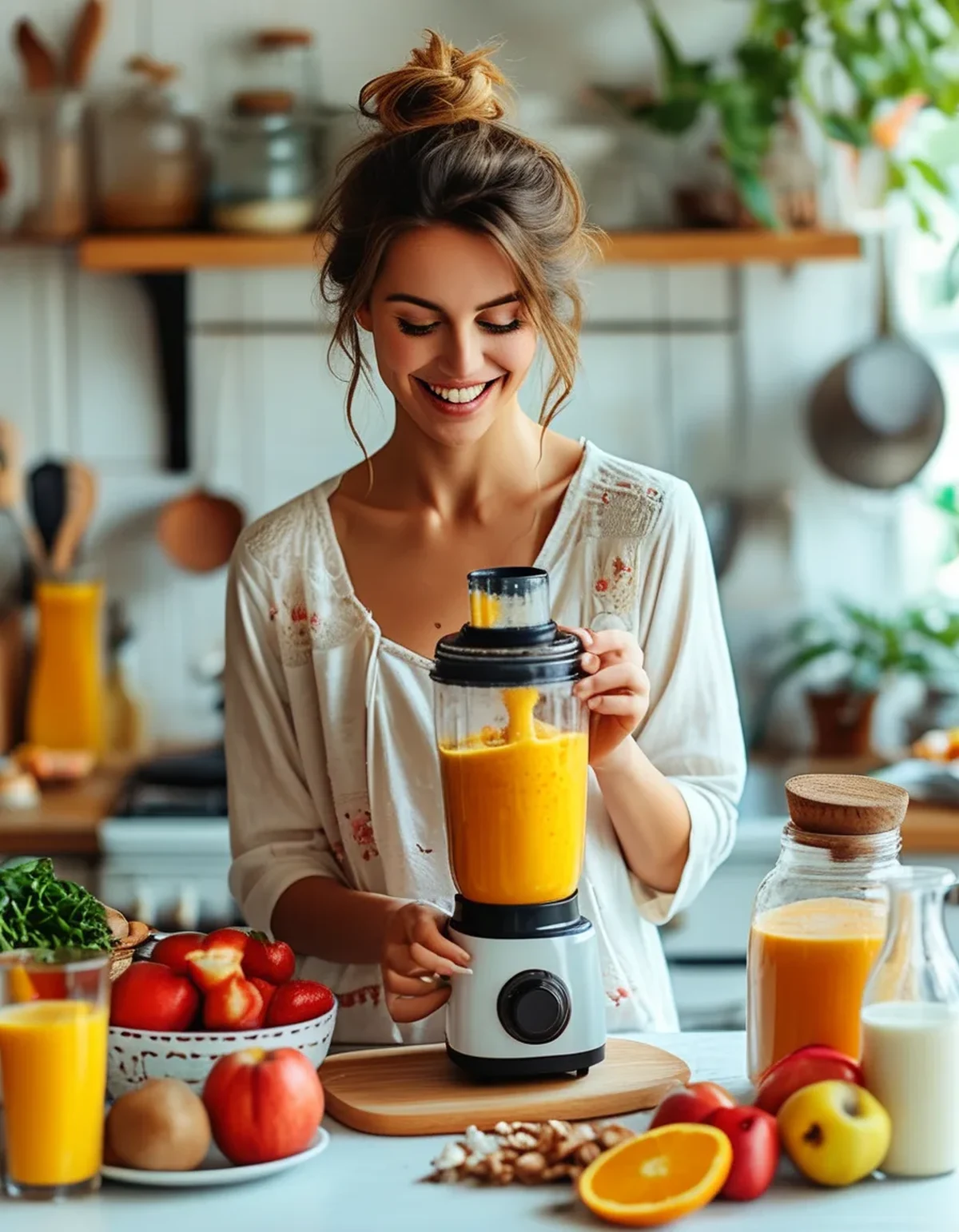
Bananas have enough natural starch and sugar to blend into a genuinely creamy, thick texture once frozen and blended, closely mimicking a milkshake’s mouthfeel without needing added sugar or ice cream — it’s the single most effective base ingredient for this kind of swap.
What role does the fat content actually play in feeling like a real milkshake?
A small amount of fat (a spoonful of nut butter, a splash of full-fat coconut milk, or a bit of avocado) contributes to the rich, satisfying mouthfeel that a purely fruit-and-milk blend can lack — this is often the missing piece when a homemade version tastes thin or overly fruity rather than genuinely milkshake-like.
Myth vs Fact: Healthy Milkshake Swaps
Myth: a healthier milkshake alternative will always taste noticeably different from the real thing. Fact: with the right ratio of frozen fruit, a touch of fat, and enough liquid to blend smoothly, most people find the difference much smaller than expected.
Myth: you need a powerful blender to get milkshake texture from frozen fruit. Fact: most standard home blenders handle frozen banana fine with a little patience and occasional stopping to scrape down the sides.
Myth: adding protein powder ruins the texture. Fact: a scoop of protein powder, blended well, generally thickens a fruit-based shake further rather than compromising it, as long as enough liquid is used to keep it blending smoothly.
What Nobody Tells You About Frozen Cauliflower in Smoothie-Style Shakes
Frozen cauliflower rice, blended into a chocolate or berry-flavored shake, adds thickness and fiber with an almost undetectable flavor impact once combined with stronger flavors like cocoa or berries — it sounds unlikely, but it’s a common trick in healthier shake recipes specifically because the flavor genuinely disappears.
FAQ: Healthy Milkshake Alternatives Questions, Answered
Can these swaps still work for a chocolate milkshake craving specifically?
Yes — a frozen banana base with a tablespoon of cocoa powder and a bit of nut butter produces a genuinely chocolatey, thick shake without needing chocolate ice cream or added sugar.
Is Greek yogurt necessary, or can it be skipped?
It’s optional — it adds protein and a slightly tangy creaminess, but a dairy-free or lower-protein version works fine using just milk and frozen fruit as the base.
How do these compare in calories to a traditional fast food milkshake?
A homemade version using frozen banana, milk, and a spoonful of nut butter generally lands in the 200-300 calorie range depending on portion size, compared to 500-800+ calories common in a traditional fast food shake.
TL;DR:
- Frozen banana reproduces milkshake thickness and creaminess without added sugar
- A small amount of fat (nut butter, coconut milk) adds the rich mouthfeel a purely fruity blend lacks
- Frozen cauliflower is a genuinely undetectable thickening trick in stronger-flavored shakes
- Homemade versions typically land at a fraction of the calories of a traditional fast food shake
The craving for something thick and cold doesn’t require the sugar load of a traditional milkshake — a few smart swaps get remarkably close to the real thing.
Keep Reading
This article is for general informational purposes only and is not medical advice. Always consult a qualified health professional for guidance specific to you.